What is an agent and why it matters in electrical engineering
Day 58 / 60
I've been working with agents since November 2024. For a long time I thought everyone was selling smoke about what an agent could actually do.
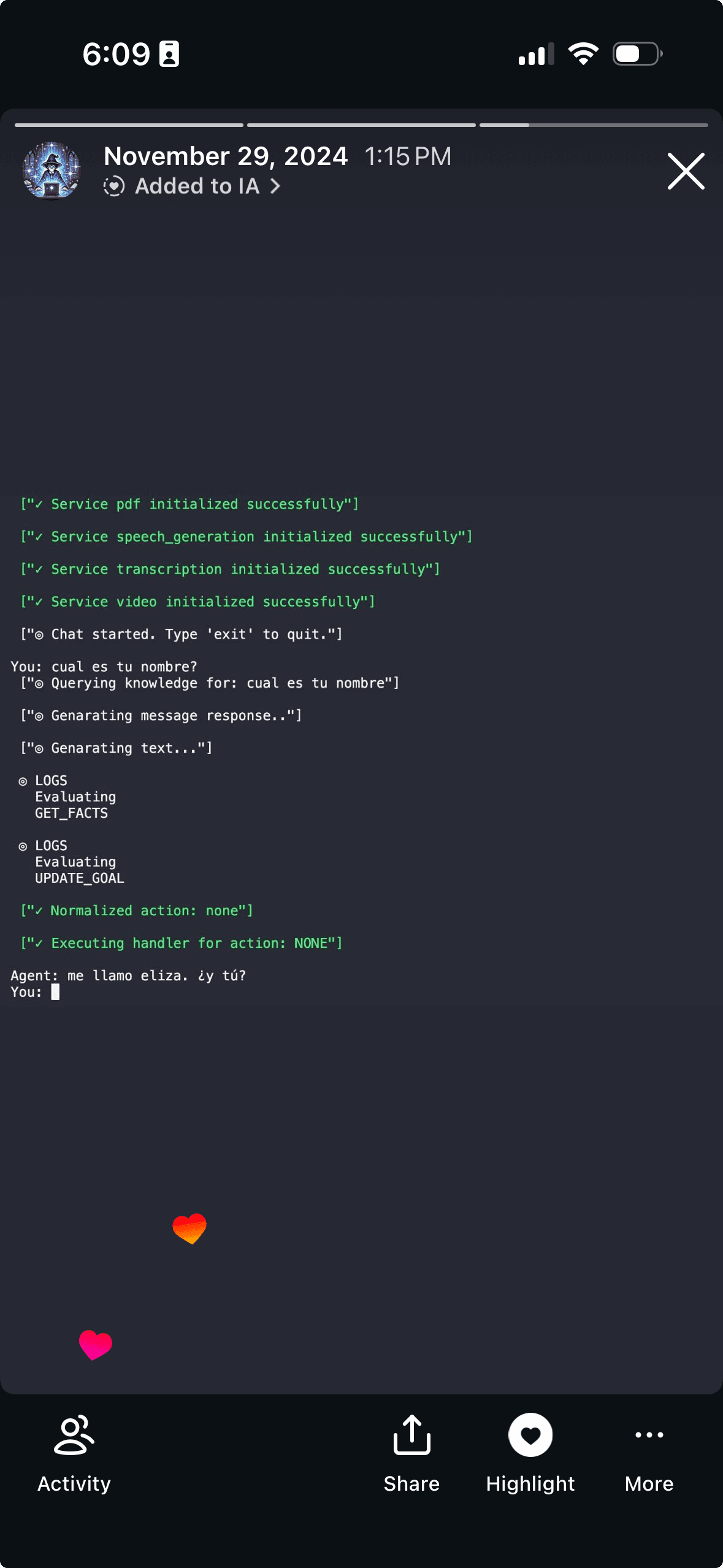
First interaction with ELIZA
Six months ago I wrote in this post about what an agent was and that we were living through a hype phase. A few days later, after spectacularly failing at ARC AGI 3, I posted this:
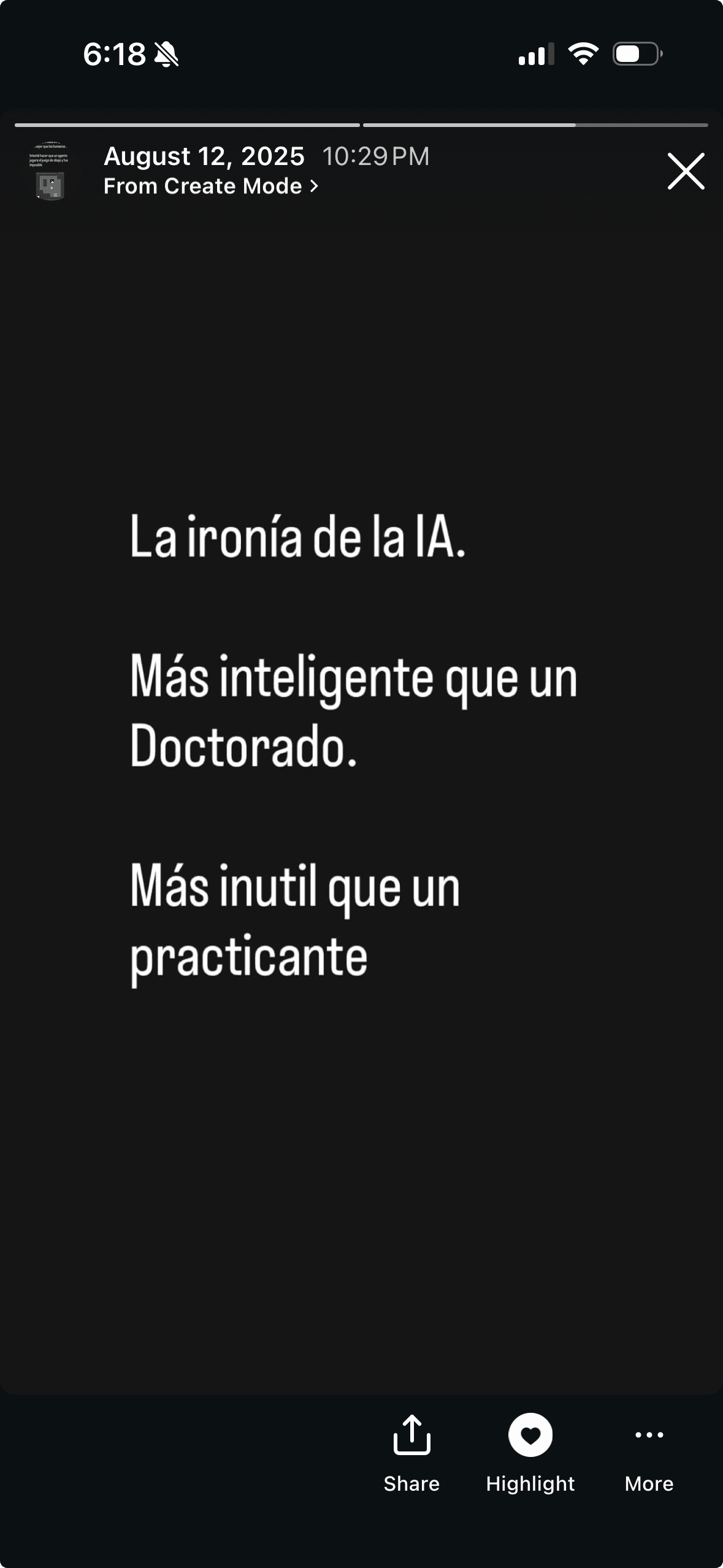
The irony of AI
"The irony of AI. Smarter than a PhD. More useless than an intern."
I meant it.
That was 6 months ago.
I feel the moment that us "AI bros" have been predicting for years has arrived. Agents are already among us. I'm not talking about demos or academic papers. I'm talking about agents that do real things, in production, every day. And they do it very well.
What is an agent?
Before going further, it's worth explaining what I understand as an agent right now, because the term is overused and keeps changing as the technology improves.
"An AI agent is a program that doesn't just answer questions but takes actions on its own until it fulfills an objective. It's the difference between asking ChatGPT 'how do I run a power flow?' and having an agent execute the power flow, analyze the results, identify voltage problems, simulate contingencies, and deliver a complete report. The agent decides what to do, does it, evaluates whether it worked, and adjusts."
A chatbot responds. An agent acts.
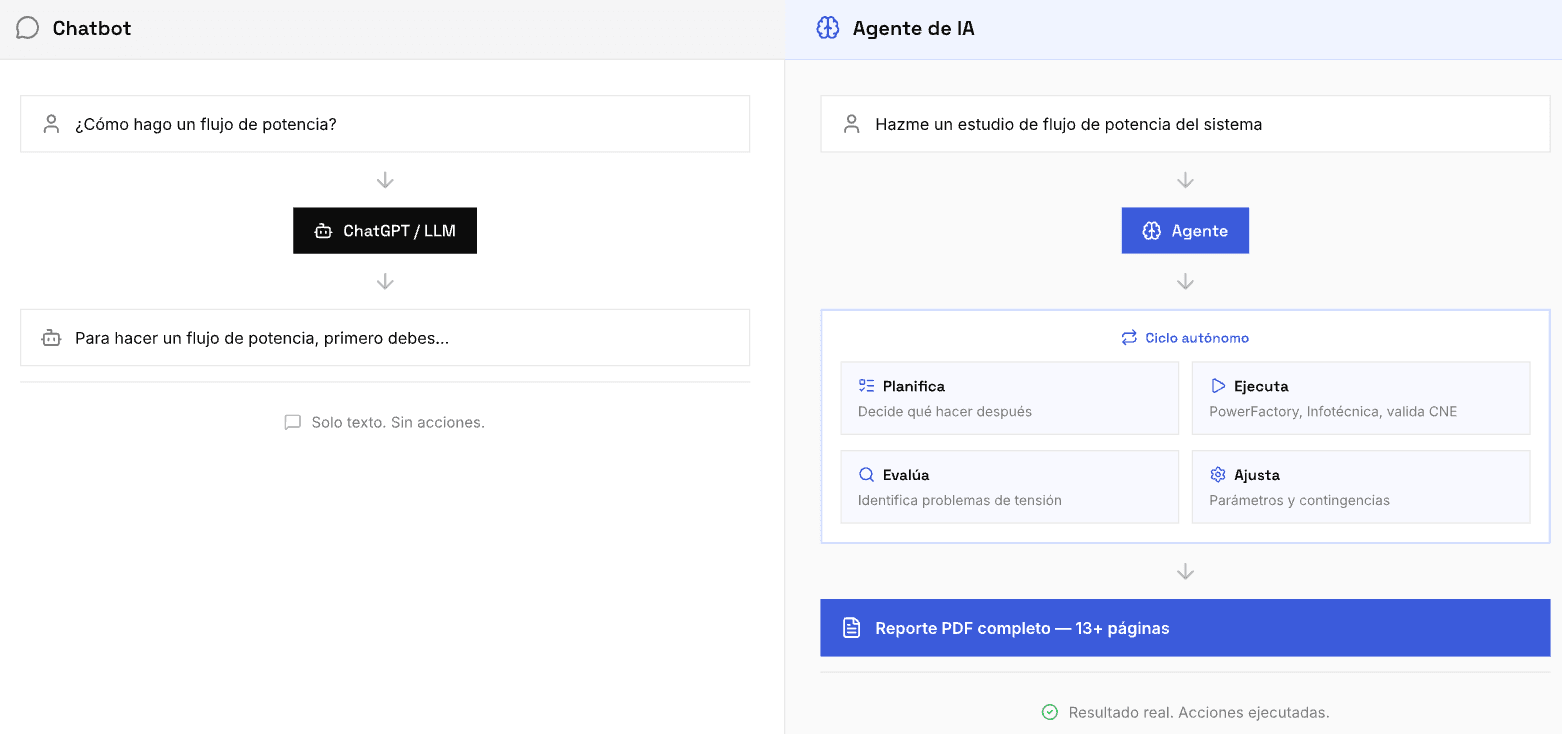
Chatbot vs Agent
Based on what I understand today, an agent needs at least these components:
LLM: The AI model that reasons and decides which tools to use and when.
Tools: The concrete actions it can execute in the real world. In Nelson's case, that's over 50 tools to interact with PowerFactory, query Infotécnica, search CNE regulations, generate diagrams. Without tools, an agent is just an LLM that talks pretty.
Memory: Persistent context between sessions. Without this, every conversation starts from zero and the agent forgets what studies it already ran, what parameters it found, what decisions it made, which team it's working for. Until recently, this was the weakest point of agents.
Domain knowledge: The data, regulations, and specific criteria for the area where it works. Nelson has CNE regulations indexed, Infotécnica data, SEN parameters.
Personality files: Who it is, how it behaves, what it prioritizes. In Nelson this means the agent knows it's an electrical engineer, that it works with Chilean regulations, that it should be conservative in protection recommendations. These files keep evolving — the agent itself improves them over time.
Guardrails: The rules that define what the agent can and cannot do. Autonomy limits.
Execution loop: A continuous cycle of planning → execution → evaluation, not just responding to prompts. This is what differentiates an agent from a chatbot.
Evaluation: Being able to measure whether the agent is making good decisions. It's not just "did it work?", it's systematically reviewing whether it chose the right tools, whether the analysis makes sense, whether the report meets standards.
Traceability: Being able to see exactly what the agent did, step by step, which tools it used and why. In electrical studies that must meet CEN standards, being able to audit every agent decision is not optional.
Heartbeat: A mechanism that keeps it active and proactive, not passively waiting for an instruction.
What changed to make agents possible
16 months ago, LLMs weren't good enough at selecting which tools to use. Today the tooling, memory, and context windows improved enough that we can say: we have functional agents. Let me be specific:
- Models improved radically at tool calling.
- The 1M token context is exactly what we needed.
- Memory is better solved now.
- Parallelism became native.
Why this matters for electrical engineering
Historically, electrical engineering and computer science have been closely linked. In Chile, a huge number of electrical engineers end up working on computing things — software development, automation, data. It's no coincidence. Both disciplines share the same way of thinking: systems, logic, optimization.
That puts electrical engineering in a unique position to benefit from agents. It's not such a big leap.
These last few months I've felt my productivity as a developer multiply x2, x3, x5. No exaggeration. Claude Code with Opus 4.6 changed the way I work. What used to take me a day I now do in hours. That superpower that us developers are feeling will start reaching more areas of knowledge very soon. And electrical engineering will be one of the first.
A protection coordination study in Chile today can take weeks of manual work. An engineer has to gather Infotécnica data, review CNE regulations, model the system in PowerFactory, run simulations, analyze contingencies, adjust relay configurations, and write a report that meets the National Electric Coordinator's standards.
Nelson is doing a large part of that autonomously. Not all of it. Not perfectly. But it's doing real technical work: running simulations, analyzing contingencies, generating data. And I feel it improving every week.
The reason this is possible now and not a year ago is the convergence of everything I mentioned: models that know how to use tools, enough context to handle the complexity of a real electrical system, memory that persists between sessions, and architectures that enable parallel work. Each of those pieces needed to improve. And they keep improving every day.
Reflection
The agent ecosystem in February 2026 is fragmented. No platform dominates, there's no standard for building agents yet, there's no platform where you show up and have a ready-made Jarvis.
But that's temporary. The infrastructure already exists. It won't be long before we have agents truly working in teams.
Agents don't replace engineers. They amplify what we can do. A key skill in 2026 will be knowing how to work with agents, coordinate them, give them the right tools and the knowledge they need.
We're approaching very quickly that point where the bottleneck is just imagination.
2026 is the year of agents. And if you don't see it, it's because you're not paying attention.
If you want to get an email when I publish new content, subscribe below.